
At a Glance
- Neglected HVAC systems pose real health and legal risks.
- Poor air quality and imbalanced systems cause Sick Building Syndrome, hidden mold, and lost productivity.
- Real cases show neglect can force a shutdown and spark insurance disputes, while proactive companies using sensors often recoup inspection costs through early savings.
- A proper inspection checks electrical connections, the condensate drain, heat exchanger, economizer dampers, and blower components, catching issues before they become costly failures.
- Watch for musty smells, odd noises, rising utility bills, and dust buildup.
- Regular inspections extend equipment life, protect employee health, and let you plan repairs instead of reacting to emergencies.
In 1976, a mysterious illness swept through a high-end hotel in Philadelphia. By the time the dust settled, 29 people were dead, and 200 were hospitalized. Investigators eventually traced the outbreak to the hotel’s cooling tower. It was the first recognized outbreak of Legionnaires’ disease.
This tragedy changed how we think about indoor air forever. It proved that a neglected ventilation system isn’t just a nuisance. It can be a legal and health nightmare for any business owner.
This guide will help you spot the red flags in your own building. You will learn how to cut your monthly energy bills and keep your team healthy.
The Hidden Connection Between Air Quality and Your Wallet
Most people think about their HVAC system only when the office gets too hot. By then, you are already losing money.
The Environmental Protection Agency (EPA) notes that indoor air can be five times more polluted than outdoor air. Poor air quality can lead to Sick Building Syndrome. This causes headaches, fatigue, and itchy eyes among your staff.
Sick workers mean productivity drops fast. You end up paying for hours where very little work actually gets done.
When an HVAC system’s air balance is off, it can also cause negative building pressure. This turns your entire property into a vacuum, sucking unconditioned, humid outdoor air, pollutants, and humidity directly through structural joints and exterior doors. This trapped moisture breeds hidden mold inside wall cavities and severely degrades your indoor air quality.
Regular HVAC inspections keep these pollutants from building up in the first place. It ensures that fresh air is actually moving through the rooms.
How Routine Checks Slash Your Monthly Energy Overhead
Heating and cooling are the biggest expenses for most commercial properties. In fact, the Department of Energy says HVAC systems account for 35% of the energy used in commercial buildings.
If your system is dirty, it has to work twice as hard to do the same job. This drags down the lifespan of your expensive equipment. Think of it like driving a car with a clogged air filter. You will burn way more gas just to get down the street.
A professional HVAC inspection service identifies these inefficiencies before they spike your bill. They check for duct leaks that bleed cold air into the ceiling.
| Component | Impact on Efficiency | Potential Saving |
| Dirty Coils | Forces compressor to run longer | 15% to 20% |
| Leaky Ducts | Wastes conditioned air in walls | 10% to 30% |
| Old Filters | Restricts airflow and strains the motor | 5% to 15% |
Real Stories of HVAC Neglect and Recovery
The Philadelphia hotel incident was a wake-up call, but smaller issues happen every day. Another real-world example comes from Universal Image Productions in Michigan. After complaints about indoor air quality, inspectors found mold, bacteria, and chronic moisture issues in the building’s HVAC system.
The HVAC system had to be shut down during remediation, disrupting business operations and leading to a legal dispute over insurance coverage.
On the flip side, some brands are doing it right. Large retail chains now use smart sensors to track their air quality in real time.
By catching small leaks early, these companies report energy savings that pay for inspection costs within months. They also avoid emergency call fees when a system dies on a 100-degree day.
What Happens During a Professional HVAC Inspection Service
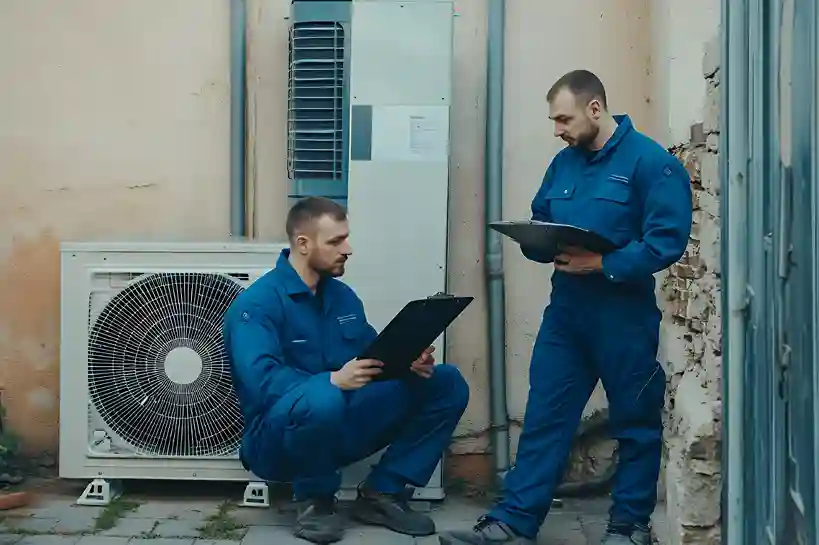
A real inspection is much more than just swapping out a dusty filter. It is evaluating the mechanical heart of your building.
The technician starts by checking the thermostat settings and electrical connections. Loose wires can cause total system failure or even fires.
Next, they look at the condensate drain. If it gets plugged, water backs up and can cause severe mold growth or structural damage.
They also inspect the heat exchanger. A cracked exchanger can leak carbon monoxide into your office without anyone noticing.
Beyond basic mechanical checks, a commercial evaluation audits your system for ventilation rates. The inspector evaluates your rooftop unit (RTU) economizers and fresh-air intake dampers to ensure your building meets local mechanical codes.
A stuck economizer damper can waste thousands in energy by forcing compressors to cool the building when outside air is already cold enough to do the job for free.
Finally, they clean the blower components. Airflow is everything when you are trying to keep a large floor plan comfortable.
The Warning Signs You Should Not Ignore
- If you notice a musty smell when the AC kicks on, you likely have biological growth in the ducts. This needs immediate attention.
- Loud banging or whistling sounds are another major red flag. These usually mean a belt is about to snap, or a motor is failing.
- Also keep an eye on your utility bills. A sudden jump in costs without a change in weather means your system is struggling.
- Unexplained dust buildup on desks and computers also points to a filtration problem. This dust can ruin sensitive electronics over time.
Keeping Your Business Running Smoothly and Safely
Staying ahead of repairs is the only way to manage a profitable building. You want to schedule maintenance, not beg for an emergency repair.
Regular checks extend your unit’s life by years. This lets you plan a replacement on your timeline instead of in a crisis.
Pro-Spect Inspection Services provides top-tier commercial inspections that keep your facility safe and efficient. We are a professional inspection company dedicated to protecting your investment.
If you want to ensure your building meets the highest standards for air quality and energy use, we are ready to help. Call us to schedule your commercial HVAC inspection.