
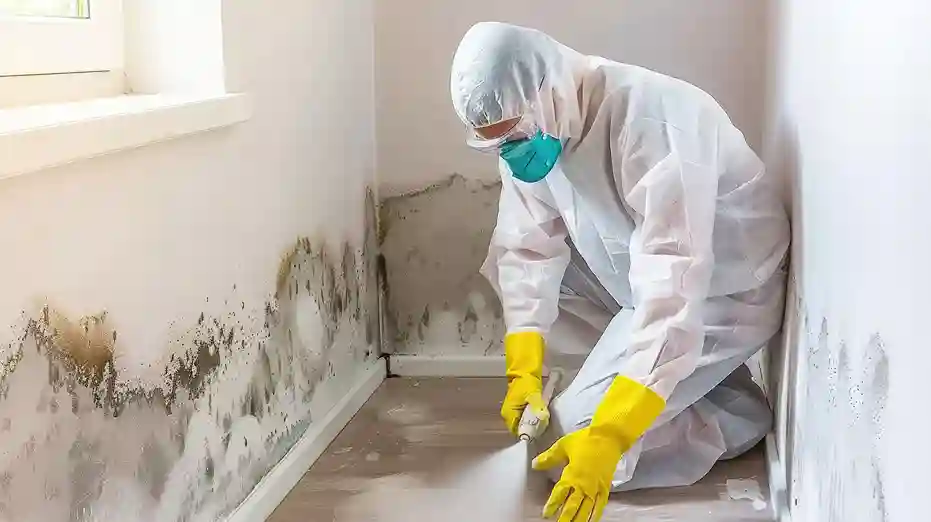
Buying or selling a home is a huge deal. It’s a whirlwind of paperwork. But beneath the fresh paint and the staged furniture, there might be a silent problem waiting to ruin the sale: mold.
If you’re a buyer, the last thing you want is to sign a mortgage only to realize your new house is making you sneeze. If you’re a seller, a surprise mold discovery can tank your price or scare away a great buyer.
Understanding how to test for mold isn’t just for experts. It’s a simple way to protect your health and your wallet.
Why Mold is a Big Deal in Real Estate
Mold isn’t just a smelly basement problem. According to the Environmental Protection Agency (EPA), mold can cause itchy eyes, skin rashes, and breathing issues.
In a home sale, mold is a red flag. Most standard home inspections only look at what is visible. If mold is hiding behind a wall or under a new carpet, a regular inspector might miss it. That’s why a specific mold inspection and testing is so important.
When Should You Actually Test for Mold
You don’t need to test every house you walk into. But you should definitely think about it if you notice these signs:
- Musty Smell: If a room smells like damp socks, mold is likely there, even if you can’t see it.
- Water Stains: Look for yellow or brown rings on the ceiling or bubbling paint. This means water was there, and mold usually follows.
- Past Floods: If the basement flooded a few years ago, make sure it was cleaned up properly.
- High Humidity: If the house feels sticky or the windows have heavy condensation, mold loves those conditions.
How to Test for Mold: The Simple Steps
If you think there’s a problem, you have two choices: do it yourself or hire a pro. For a real estate deal, hiring a professional is always better because their report carries more weight in negotiations.
The Professional Inspection
A pro doesn’t just look around. They use tools to find what’s hidden:
- Moisture Meters: These poke the wall to see if it’s wet on the inside, even if it feels dry to the touch.
- Infrared Cameras: These can see cold spots in walls where water might be leaking.
- Air Sampling: This is the best way to test for mold. The inspector takes a sample of the indoor air and compares it to the outdoor air. If the mold count is much higher inside, you have a problem.
Swab Samples
If there is visible gunk on a wall, the inspector will use a swab (like a large Q-tip) to collect a sample. They send this to a lab to find out exactly what kind of mold it is. Some mold is just a nuisance, but black mold needs serious professional cleaning.
What Happens if the Test is Positive
Don’t panic. Mold is common, and it can be fixed.
If You’re the Buyer:
- Ask for a Fix: You can ask the seller to have it professionally cleaned before you move in. Make sure they give you a receipt and a clearance letter showing the mold is gone.
- Ask for a Credit: You can ask the seller to deduct the cost of cleaning from the sale price.
- Walk Away: If the mold is everywhere (like in the AC vents), your contract usually lets you back out of the deal.
If You’re the Seller:
- Be Honest: If you know there was a leak, tell the buyer and show them how you fixed it.
- Fix the Leak First: Mold forms from water. If you clean up the mold but don’t fix the leaky pipe, it will be back in a week.
- Hire the Pros: For big jobs, don’t just use bleach. Use a professional crew that follows IICRC standards to make sure it’s done right.
Test Your Home for Mold
A home should be a safe place for you and your family. Knowing how to test for mold gives you the power to make a smart decision. Whether you are selling your long-time family home or buying your very first one, a quick mold inspection and testing ensure there are no nasty surprises waiting for you.
Don’t let hidden mold ruin your big move. Contact Pro-Spect Inspection Services and find out if the home you’re buying or selling has a mold problem.